10 Common Mistakes First-Time River Campers Make
The first night camping beside a river usually goes well. That is the trouble. You find a flat spot on a gravel bar, the water sounds pleasant twenty feet away, dinner cooks without drama, and you sleep better than you do at home. Then at three in the morning you wake to a sound that has changed, and the twenty feet have become eight.
River camping rewards a slightly suspicious frame of mind. The water is not a backdrop; it is a moving system with a schedule, a mood, and a reach that extends well beyond where it sits right now. Most first-timers learn this the hard way, one small oversight at a time. The good news is that nearly every mistake below is easy to fix on your first trip, and fixing them costs you nothing but a little attention before you launch.
Campsite Placement: The Two Mistakes That Matter Most
1. Camping on the bar because it looks flat. Gravel bars and low banks are the flattest ground around, and they are also the first thing to go under. Rivers rise without a drop of rain where you are standing: a dam upstream opens its gates, a storm twenty miles away dumps its load, the tide turns near an estuary. Before you drop your pack, walk the bank and look for the high-water line. Matted grass, silt stains on tree trunks, a strand line of twigs and debris, driftwood wedged in branches overhead. Camp above that line, not on it. Then pick your path to higher ground in daylight and walk it once, because you will be finding it in the dark if the water comes up.
2. Pitching under dead wood or in a dry side channel. Look up before you look down. Cottonwoods and willows drop limbs, and a leaning, half-dead tree over your tent is a hazard that no amount of calm weather cancels out. Skip the tempting sandy wash at the mouth of a side creek, too. It is a channel, and channels do what channels do. You want ground that is high, open, and has more than one way out.
Weather Planning That Assumes the Forecast Is Right
3. Packing for the forecast instead of for the range. A forecast for a town forty minutes away tells you very little about a canyon, a valley floor, or an exposed gravel bar at night. Afternoon thunderstorms build fast in river country, and wind funnels down valleys with real force. Plan for colder, wetter, and windier than the number on your phone suggests. A sixty-degree day with rain and a breeze is hypothermia weather if you are soaked and stopped, and river camps are damp by nature.
Keep your rain shell and a warm layer at the top of your bag, not buried under the food. Check the river gauge and any dam release schedule before you go, and check again on the second morning. Reading the hydrograph is not expert territory; it is a habit worth building on your first trip.
Food Storage and the Camp Kitchen
4. Treating the cooler as a cupboard. The cooler gets opened forty times a day, the ice turns to soup, and by day three the chicken is floating in it. Start with block ice or frozen water bottles rather than cubes, drain the meltwater instead of letting it stew, and group items so you open the lid once per meal. Keep raw meat in its own sealed bag at the bottom.
5. Leaving the smellables out. Raccoons, mice, jays, mink, and in some country black bears and grizzlies all treat a riverside camp as a drive-through. Toothpaste, sunscreen, coffee, lip balm, the wrapper from a granola bar, the pot you cooked in. Store food and scented items in a hard-sided vehicle or bear canister where rules require it, or hang them high and well away from the trunk; keep everything scented out of your tent. Wash dishes away from the water and strain the bits out before you scatter the grey water.
Packing for the River Instead of the Picnic
6. Cotton, and only one pair of shoes. Cotton holds water against your skin and stays cold all evening. Bring quick-drying layers, wool or synthetic socks, and a dry set that lives in a bag and comes out only at camp. Two pairs of footwear is the real minimum: something that can get wet and grip on slick rock, and something dry for camp. Your feet will decide how much you enjoy the trip.
7. Treating dry bags as an afterthought. Boats flip, splashes come over the bow, and rain arrives sideways. Double-bag your sleeping bag and spare clothes, put the phone and headlamp in their own small dry bag, and leash anything you would grieve over to the boat. Assume everything will get wet at least once and pack accordingly.
Mileage, Daylight, and the "One More Bend" Problem
8. Overestimating how far you will get. Rivers are slower than maps imply. Wind, shallows, a fallen tree to portage, a rapid to scout, a beach that begs for a swim stop. First-timers plan ambitious distances and then arrive at dusk with no camp, which is how bad site choices happen. Pick a hard "camp by" time, note candidate sites on the way down as you pass them, and stop at the good one rather than gambling on a better one around the bend. Carry a headlamp on your person, not in the bottom of a bag.
Leave No Trace: The Details People Skip
9. Building a fire where fire does not belong. A ring of river stones on a pristine gravel bar is a scar that lasts years. Check the local rules and fire bans first. Use an existing ring or a fire pan, keep the fire small enough to cook on, burn wood down to ash, and scatter the cold ash and leftover charcoal far from camp and water. Do not burn foil, cans, or food scraps; they do not disappear, and someone has to fish them out.
10. Missing the small leavings. This is the category that separates a tidy camper from a careful one:
- Micro-trash. Bottle caps, twist ties, the corner of a packet, fishing line. Do a slow lap of your site before you leave and pick up what you did not drop.
- Food scraps. Orange peels, apple cores, and pasta water are not natural to that place and attract animals. Pack them out.
- Dishwater. Strain it, scatter the water well away from the river, and pack out the solids.
- Human waste. Use a toilet where one exists. Otherwise dig a hole six to eight inches deep, well away from water, camp, and trails, and pack out your paper. In popular river corridors, pack it all out.
- Trampled banks. Walk and camp on durable ground: sand, gravel, rock, dry grass. The green strip at the water's edge is what holds the bank together.
A Short Checklist Before You Push Off
Read the gauge and the release schedule. Look at the sky and pack for the worse version of it. Mark two or three campsite options on your map and set a stop time. Put the rain shell, headlamp, and a warm layer where you can reach them without unpacking. Keep food and scent out of the tent. Fill one small bag with your own trash so it never becomes the river's.
None of this takes the ease out of a river trip. It buys it. Do the ten things above and you get to spend your evening watching the water instead of arguing with it.
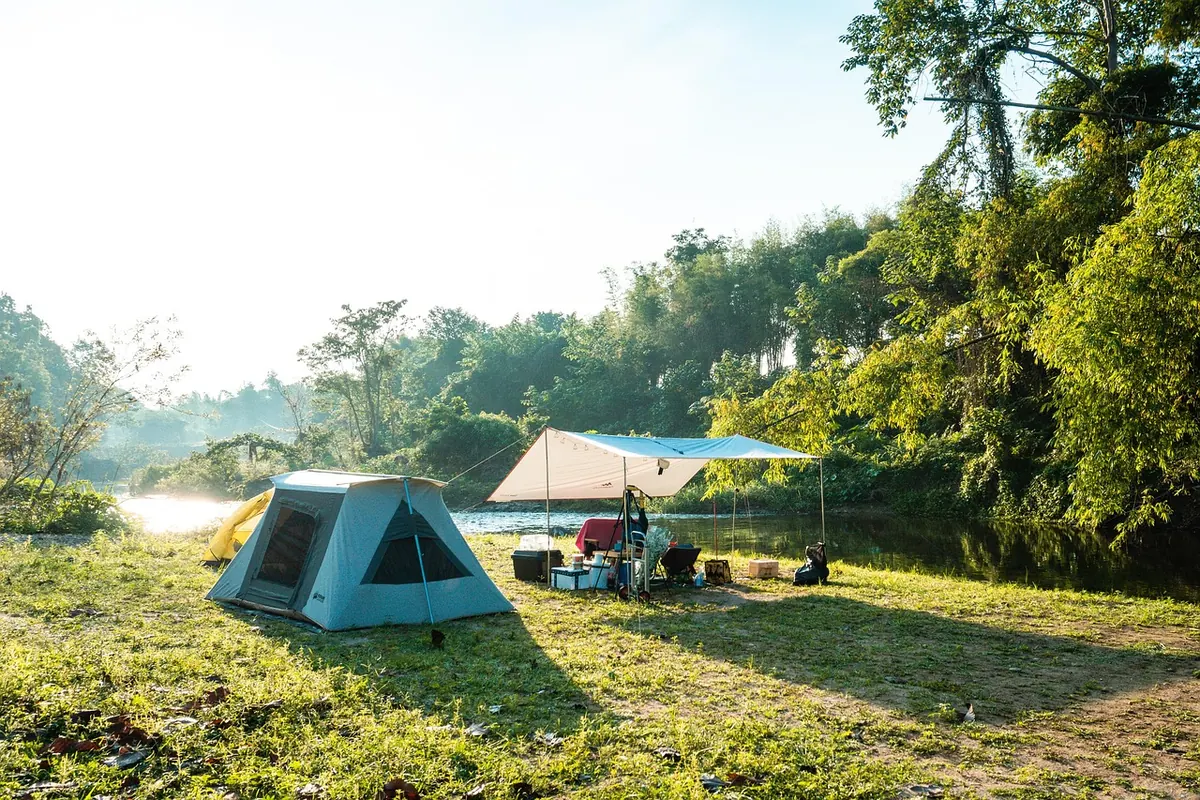
Photo: ITUBB / Pixabay
River Towns vs. Riverside Villages: Choosing Where to Stay for a Slow Weekend
A river town gives you a station, a market and dinner options; a riverside village gives you mist, quiet...
What to Wear for a Cold-Weather River Walk: A Seasonal Checklist
A practical, season-by-season guide to layering, footwear and small essentials so a windy, muddy or frosty...
About Us