Why Rivers Matter in Local Festivals: A Field Guide to River Celebrations
On the first warm Saturday of the season, a village somewhere sets trestles on the gravel bar, hangs paper lanterns from the bridge rail, and puts a band on a flat-bottomed boat. Nobody calls it river culture. It is simply the festival. But look at the details — the timing, the menu, the route of the procession — and you can read the water in all of them. River festivals are how communities keep their accounts with a river: what it gives, what it takes, when to ask and when to thank. This field guide is about reading those accounts, and about keeping them in good order.
The Many Shapes of a River Festival
Most river celebrations take one of a handful of recognisable forms, and plenty of towns combine two or three.
The procession. A route that follows water rather than the street grid: boats carrying an image or a banner, a ferry crossing that happens once a year, a Palm Sunday walk along the levee. In many Orthodox and Catholic communities, water is blessed in early January, sometimes through a hole cut in the ice.
The contest. Raft races, coracle regattas, canoe sprints, punting contests. The river sets the course. Low water means dragging; high water means cancellation.
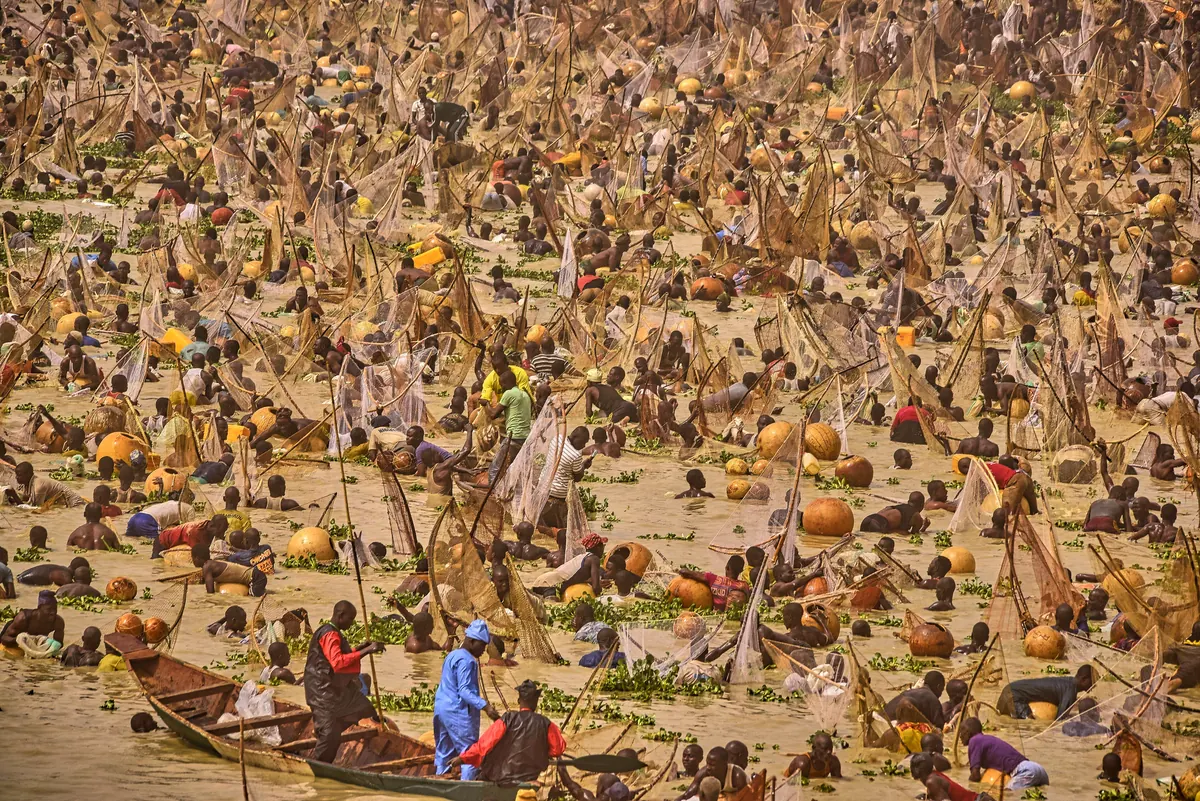
The table. Eel dinners, trout fries, crayfish boils, fish soup in a cauldron on the bank, a whole town eating at once within sight of the water.
The working day. Mill open days, ferry anniversaries, laundry re-enactments, bridge openings, the first and last day of a fishing season.
The quiet one. Floating lanterns, flood memorials, a river-cleaning morning followed by lunch.
A food festival and a blessing are both forms of gratitude, but they ask different things of the water. Knowing which shape you are looking at tells you what the day is actually for — and what would spoil it.
The Calendar Is Written by the Water
Festival dates look arbitrary until you check the river. Flow, temperature and light set the real timetable, and most local traditions sit a week or two after a natural event rather than on a fixed national holiday.
Spring: high, cold, unpredictable
Snowmelt and rain make spring the season of optimism and risk. Opening-day ceremonies, boat blessings and first-swim events cluster here. Organisers watch the gauge more closely than the weather forecast; a bank that fits forty people in April may be under water in May.
Late summer: the river shows its bones
Low water exposes gravel bars, old pilings and the stumps of bridges that no longer exist. This is when festivals move onto the riverbed itself — long tables on dry shingle, a dance floor on a sandbank, a temporary footbridge that only exists for a weekend. It is also when water quality is most fragile: warm, slow, prone to algae. Check local water-quality advice before you swim or encourage anyone else to.
Autumn and winter: fish, fire, remembrance
Spawning runs, eel migration, chestnut stalls, mulled wine, lanterns on black water. Autumn festivals often carry a second, quieter purpose: marking the flood line of a bad year, remembering the neighbours who did not come back. Treat those moments with the seriousness they are offered.
Food From the Same Water
Ask what grows in the floodplain and you can predict the menu. River fish, of course, but also rice in deltas, orchards on terraces, soft fruit on silt, hard wheat on the flats, wine from the slopes that drain into the same channel. The best festival meals are a map of the catchment served on a paper plate.
That is the practical argument for buying local. A menu that could be served in any town is a missed opportunity; a menu that names the river, the mill and the grower gives visitors something to remember. If you are sourcing freshwater fish, ask your supplier about origin and stock pressure — some migratory species are fragile, and a festival is a poor reason to add to that. If you are cooking fish you caught yourself, follow local food-safety guidance; freshwater fish can carry parasites and need proper cooking or freezing.
Sound, Boats, and the Shape of the Bank
Sound travels further over water than over land. A three-piece band on a pontoon can be heard a kilometre downstream and, more importantly, on the opposite bank. Either point the speakers inland and accept that the water will carry the rest, or choose quieter programming for the evening sets and let the river do the atmosphere.
Boats need their own planning. Keep the towpath and bank edge clear for emergency access, mark the water's edge with lights once it is dark, put life jackets on anyone afloat, and keep alcohol away from the oars. A safety boat with a throw line and two calm people is worth more than any amount of signage. Wind against current makes chop quickly, and a calm morning can turn into a difficult afternoon.
Rivers don't care about schedules. Festivals do.
The Unromantic Work Behind a Good Festival
Most of what makes a river festival feel effortless happens months earlier, in a room with bad chairs. Permissions, insurance and a safety plan are not optional extras; they are the reason the day can be relaxed. Rules differ by country and often by waterway, so start the conversation with your local waterway or port authority early — months early, not weeks.
A simple planning checklist:
- Name one coordinator and one deputy, and write down who decides to cancel.
- Confirm permissions for the bank, the bridge, the water and any road closures.
- Set a river-level threshold now, in writing, that triggers a change of plan.
- Write a short risk assessment: water, alcohol, children, weather, access for ambulances.
- Book waste, toilets, water and power before you book the band.
- Recruit a clean-up crew and feed them properly.
- Tell the neighbours on both banks what to expect, and when it will stop.
Rivers Are Not a Backdrop
The easiest mistake is treating the water as scenery. Balloons, glitter, sky lanterns and single-use cups end up in it. Washing-up water goes in it. Heavy feet trample the bank and stones get moved to make a better viewpoint. None of this is malicious, and all of it adds up.
Keep amplified sound away from nesting banks in spring. Don't release fish, plants or leftover bait into the water. Use the bins, then take the overflow home. If the festival includes a swim, publish the local water-quality information and have a safety plan to match. Small choices, repeated by a few hundred people, are how a river stays worth celebrating.
Going as a Guest: A Short Field Guide
- Arrive on foot or by bike. River roads are narrow, and parking on the levee is usually forbidden.
- Ask what the day is for. Someone will happily tell you, and you will notice twice as much.
- Buy from the local stalls, and carry cash for the small ones.
- Walk the route before the crowds do. The upstream end is usually quieter and better for photographs.
- Take your litter home, including the things you think will decompose.
- Stay for the dismantling. The clean-up is where the real conversation happens, and volunteers are always short.
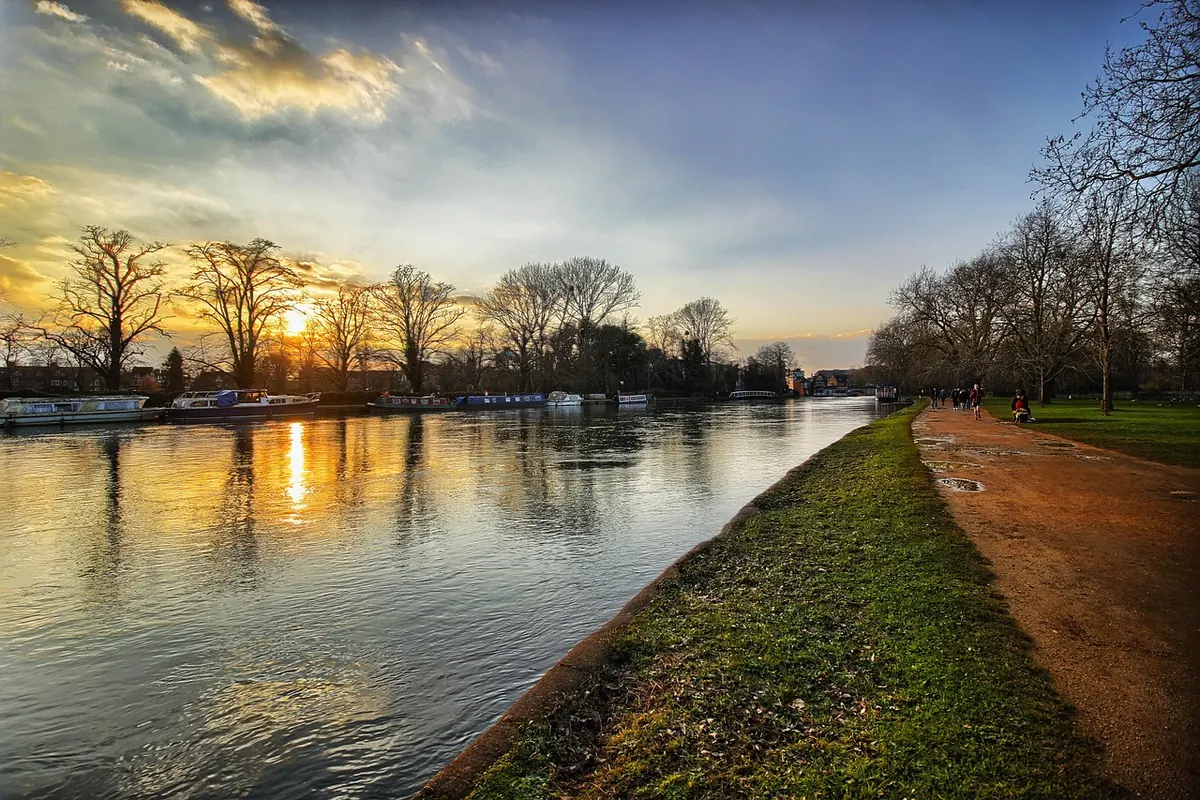
- Note the water level. Come back at the same spot in another season and you will understand the festival, and the river, better than any plaque can explain.
Photo: Sani Maikatanga / Pexels
River Towns vs. Riverside Villages: Choosing Where to Stay for a Slow Weekend
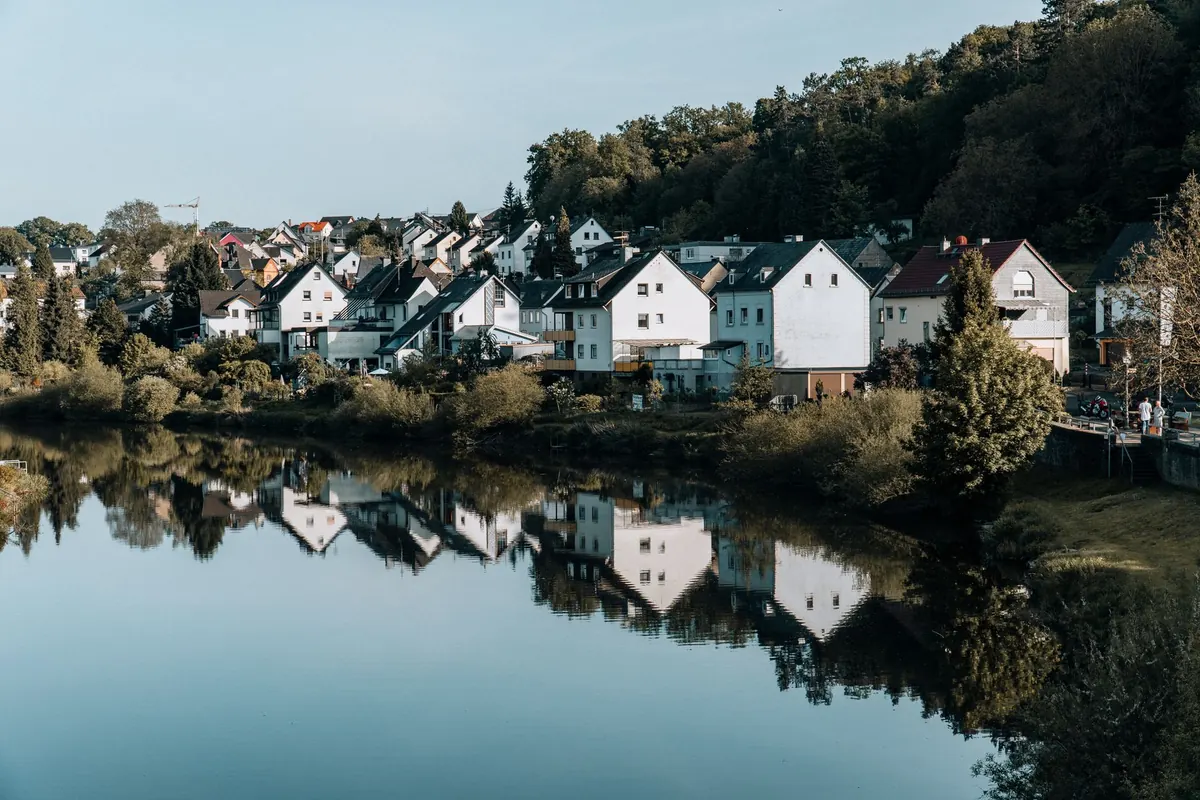
A river town gives you a station, a market and dinner options; a riverside village gives you mist, quiet...
What to Wear for a Cold-Weather River Walk: A Seasonal Checklist
A practical, season-by-season guide to layering, footwear and small essentials so a windy, muddy or frosty...
About Us