How to Plan a Slow River Day Trip Without a Tour Guide
A slow river day is decided well before you touch the water. Not by a guide, not by a route line on a screen, but by a handful of small choices made the night before: which stretch, which hour, what goes in the bag and what stays home. Get those right and the day mostly runs itself. You spend the hours watching the water instead of the clock. Get them wrong and the same day turns into a schedule you are permanently behind on. What follows is how to build one on your own, the kind of day you can repeat next month without much thought.
Choose a stretch, not a destination
Rivers are the rare place where the journey really is the point, so resist the urge to aim for a famous bridge, a village with a cafe, or a lake at the end. Instead, pick a length of water with a pleasant character and let arriving be almost incidental.
Measure in hours, not kilometres. A gentle walking pace along a towpath is roughly three to four kilometres an hour once you allow for gates, stiles and a few pauses. A relaxed paddle covers a similar distance, sometimes less if the wind is against you. A stretch that looks modest on a map can take twice as long as you expect if it is straight, embanked and monotonous, while a meandering section with gravel bars and overhanging trees eats distance without you noticing.
Where you can, choose a there-and-back route. It removes the single most annoying piece of logistics, the shuttle, and it lets you turn around whenever the day suggests it. If you want a one-way trip, sort the car drop, the bus or the lift before the morning, not after you have loaded the boat.
Check three things before committing. Which way does the water flow, and how fast. What is the wind forecast for the afternoon. And what is the level doing after recent rain — high water hurries everything along and hides features, low water means dragging a hull over stones. If any of those look difficult, halve the distance and keep the day.
Time the day around the water, not the clock
Rivers have their own rhythm and it is worth borrowing it. Early morning gives you flat light, empty car parks, birdsong and, on open water, the calm before the wind builds. On many stretches the afternoon breeze arrives from the same direction as your return leg, which is worth knowing before you decide which way to go first.
Then work backwards. Decide when you must be off the water and back at the car. Subtract the time it takes to load and unload, subtract lunch, subtract the stops you know you will want, then subtract another twenty minutes for the fact that everything takes longer with a boat or a small child or a wet dog. What remains is your paddling or walking time. It is almost always less than you hoped, which is exactly the point.
Two local details are easy to forget. Locks, ferries and low bridges slow a trip in ways maps do not show, and rowing clubs, anglers and early swimmers all use the water on their own schedules. Keep noise down near anyone fishing, give way without drama, and pass moored boats slowly enough that your wash does not rock them.
Your plan is a list of decisions, not a timetable
Mark three kinds of thing on a paper map: where you start, where you finish, and every bridge, road or lane that touches the river between them. Those crossings are your escape hatches. If the weather turns, someone gets cold, or the day simply loses its shine, you want to know exactly where you can get out and how far you would be from a road, a village or a phone signal.
Write down two or three of those exits in your head before setting off, and mention your route and expected return time to someone at home. That single message is the difference between a self-reliant day and a careless one.
Print the map. Screens fail in rain, batteries die in cold, and a folded sheet of paper in a plastic bag never asks for a signal.
Pack light, in layers
The aim is one bag you can carry comfortably and nothing you have to think about. A good basic kit for a day on or beside the water looks like this:
- Two litres of water per person, more in heat, and a bottle you can refill where taps exist.
- A dry bag for phone, keys, wallet and a spare layer — a roll-top bag or even a sealed freezer bag will do.
- Sun protection: hat, sunglasses, cream. Open water doubles the exposure.
- A warm layer and a light waterproof, whatever the forecast says at breakfast.
- Footwear you do not mind soaking, plus dry socks in the bag.
- Lunch, a knife, and something to sit on that is not wet grass.
- A small repair kit: tape, a length of cord, a patch if you are paddling.
- Any personal medication, and a note of who to call for help.
Avoid cotton next to the skin. Wool or synthetic layers keep working when damp, and a slow day involves more damp than you would guess — wet feet at the put-in, spray from a paddle, a sudden shower, a dog that shakes itself next to you.
Leave a third of the day unclaimed
This is the part that separates a slow day from a long one. If your plan fills every hour, you have built a small tour with yourself as the guide. Leave the final third open and let the river fill it.
Keep a loose list of things you would like to see rather than a checklist of things you must. A heron standing in the shallows. A bridge worth walking under. A bank of wildflowers above a lock. The spot where the water clears enough to swim. A bench facing the right way.
And here is the only rule worth carrying: when you feel the urge to stop, stop. Pull the boat onto the gravel, put the bag down, sit for half an hour doing nothing in particular. That pause is not a delay to the day. It is the day. A long lunch eaten on a bank with your feet in the water does more for a slow trip than six kilometres of extra ground covered.
The night before, and the morning of
Do the small jobs early so the morning stays quiet. Fill the bottles and chill them. Charge the phone and put the paper map in its bag. Set out the clothes and the layers. Load the boat, the bike or the boots into the car the evening before, or set them by the door. Tell one person where you are going and when you expect to be back.
In the morning, check the level and the forecast one last time. If either has turned, change the plan without regret — a shorter stretch on a fine day beats a grand route in a rising river. Then leave the schedule at home, launch, and see what the water does with your afternoon.
Photo: Pamjpat / Pixabay
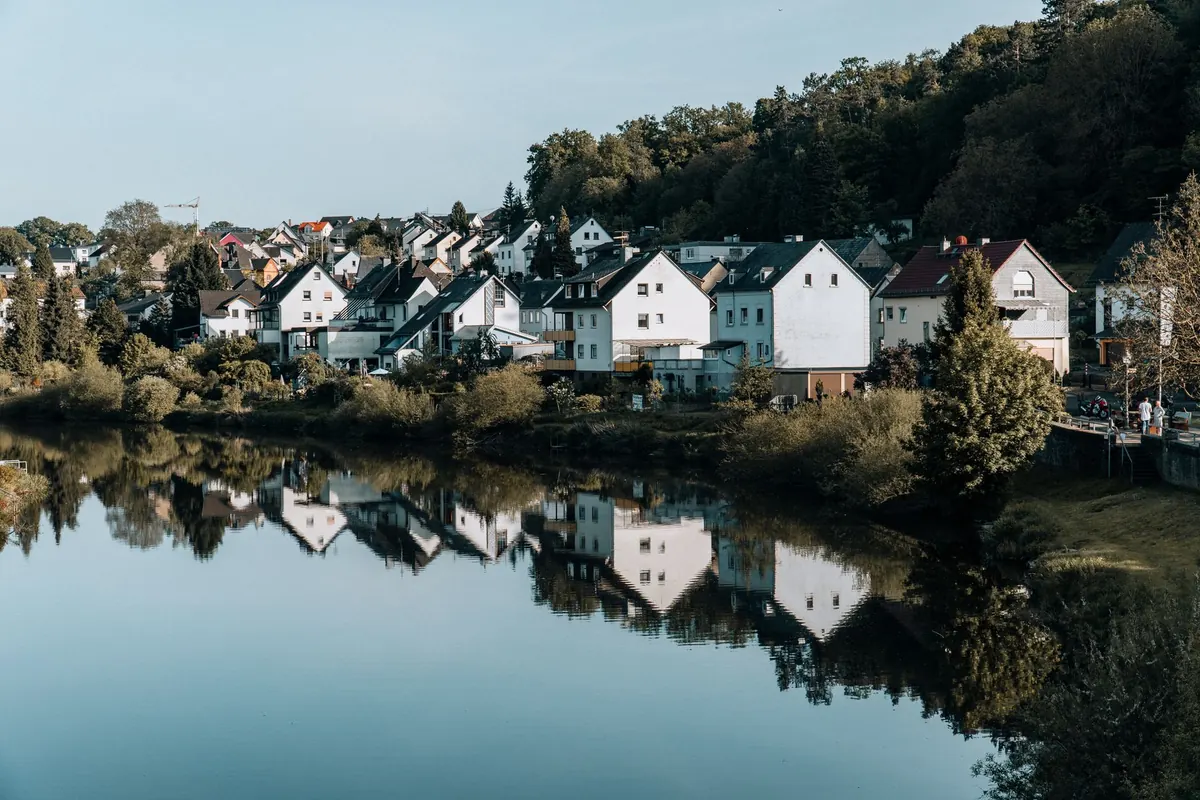
River Towns vs. Riverside Villages: Choosing Where to Stay for a Slow Weekend
A river town gives you a station, a market and dinner options; a riverside village gives you mist, quiet...
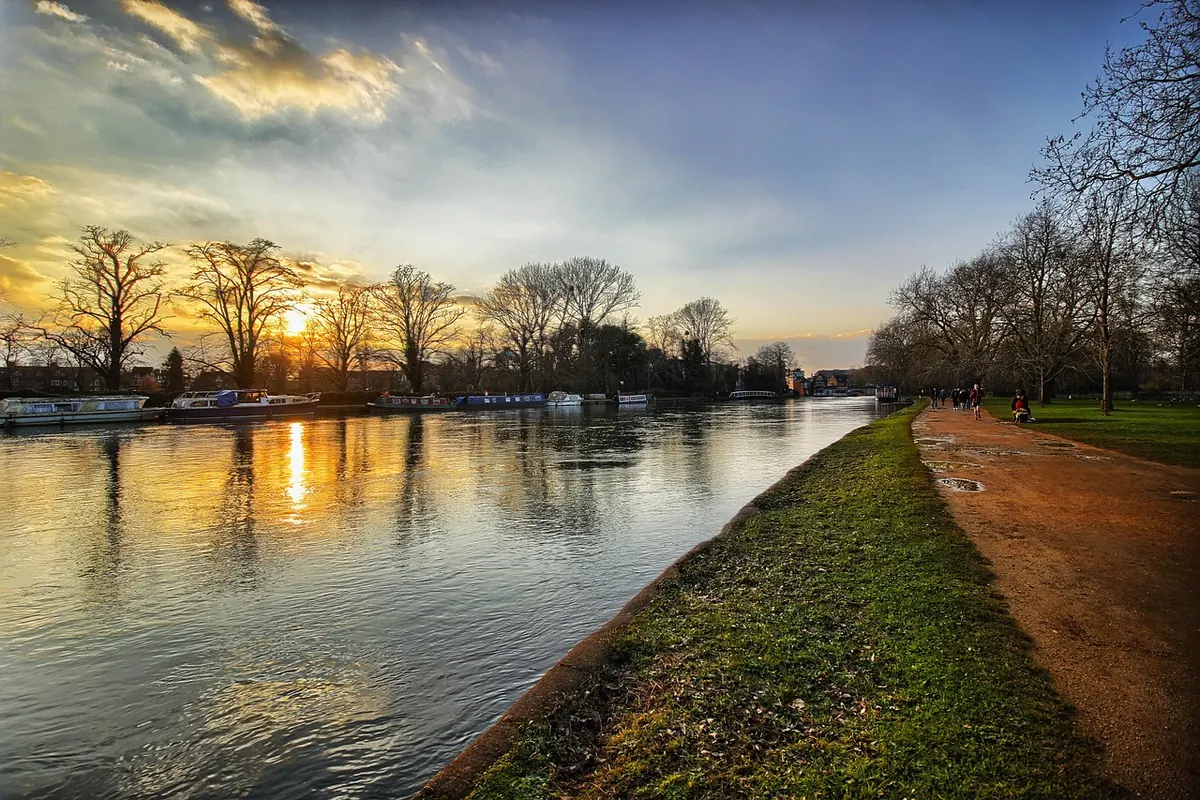
What to Wear for a Cold-Weather River Walk: A Seasonal Checklist
A practical, season-by-season guide to layering, footwear and small essentials so a windy, muddy or frosty...
About Us